
Currently, China’s oil and gas industry is in a critical period of transformation towards green and low-carbon development. In 2021, 17 petroleum and chemical enterprises, parks, and petrochemical federations jointly signed and jointly issued the “Declaration on Carbon Peak and Carbon Neutrality in China’s Petroleum and Chemical Industry”, incorporating green and low-carbon development into the strategic planning of oil and gas enterprises, and closely integrating the concept of environmental protection with petroleum actions to ensure national energy security. In order to achieve green, low-carbon, and high-quality development of the oil and gas industry, environmentally friendly and renewable new materials and green technology innovation will play a key role.
Cellulose is the most abundant natural polymer material on Earth. Every year, plants on Earth produce trillions of tons of cellulose through photosynthesis, making it an inexhaustible material. Natural plant coarse fibers can be separated and disassembled into ultrafine fibers with a diameter less than 100 nanometers, namely cellulose nanomaterials, through methods such as mechanical shearing, chemical oxidation, enzymatic hydrolysis, and strong acid hydrolysis. Cellulose nanomaterials have attracted great interest in the petroleum and natural gas industries in recent years due to their high aspect ratio and specific surface area, easily controllable micro morphology and surface chemical properties, as well as excellent mechanical properties, gas barrier properties, thermal properties, and rheological properties.
Recently, Academician Sun Jinsheng from China University of Petroleum (East China) published a review article titled “Cellulose nanomaterials in oil and gas industry: Current status and future perspectives” in Progress in Materials Science (impact factor: 37.4). This article provides a detailed introduction to the classification, preparation methods, and properties of cellulose nanomaterials. It systematically summarizes the latest research progress of cellulose nanomaterials in the oil and gas industry (upstream exploration and development, midstream gathering and transportation, and downstream processing and refining). Finally, it looks forward to the existing challenges and industrial application prospects.
Essential Introduction
- Cellulose nanomaterials can be divided into cellulose nanocrystals, cellulose nanofibers, cellulose nanocrystals containing lignin, and cellulose nanofibers containing lignin. The raw materials and preparation methods have significant impactson the microstructure, surface functional groups, crystallinity, elastic modulus, thermal degradation performance, and rheological properties of cellulose nanomaterials. Therefore, it is necessary to optimize the raw materials of cellulose nanomaterials and regulate the preparation process of cellulose nanomaterials to meet the needs of different application fields in the oil and gas industry.
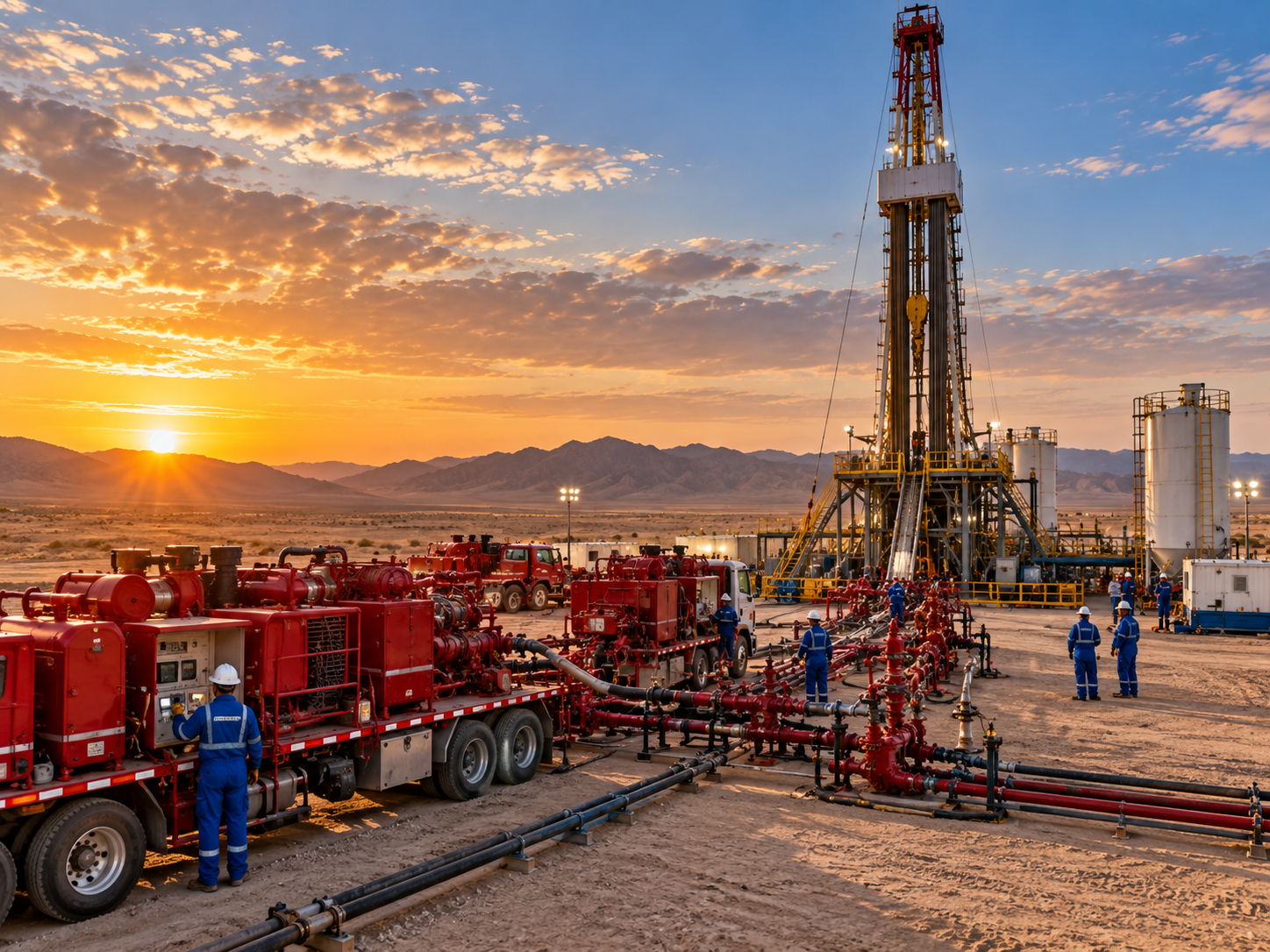
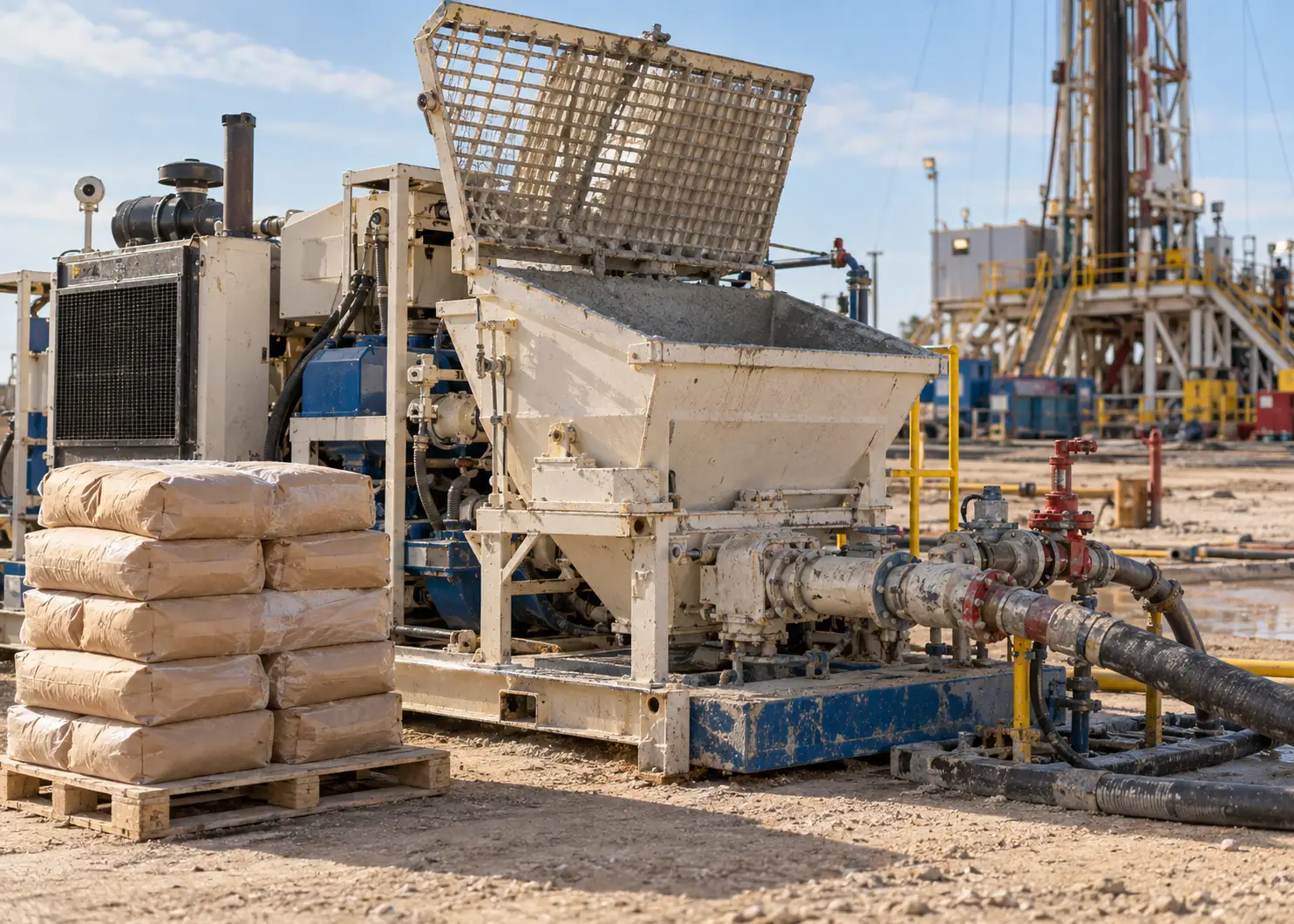
- In the field of exploration and development, cellulose nanomaterials can be used as flow pattern regulators, fluid loss agents, shale inhibitors, hydration promoters, wetting reversal agents for wellbore working fluids such as drilling fluid, cementing fluid, completion fluid, fracturing fluid, and oil displacement fluid, promoting the green, safe, and efficient exploration and development of oil and gas resources.
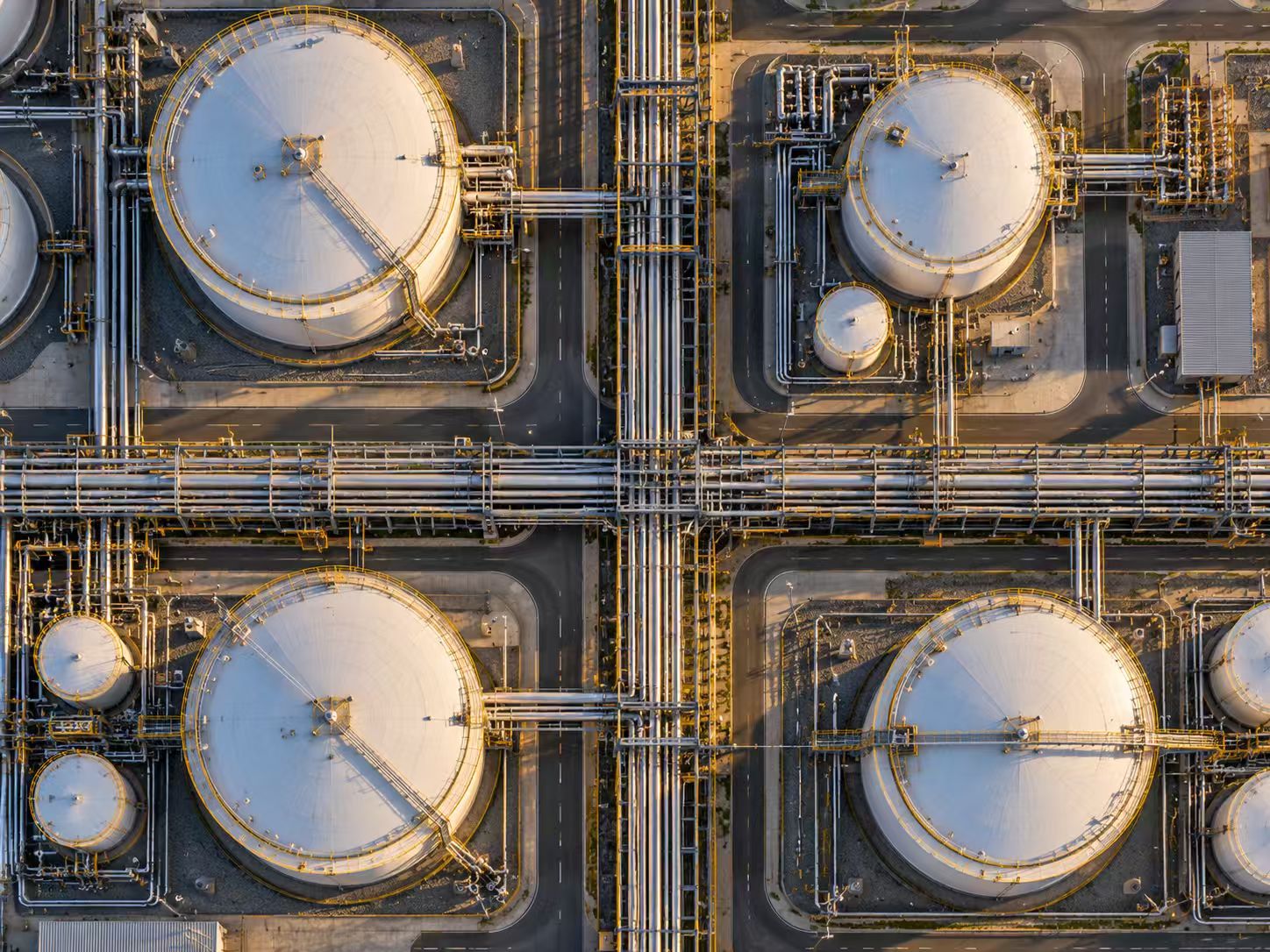
- In the field of gathering, transportation, and storage, cellulose nanomaterials can enhance the mechanical strength and oil gas barrier performance of oil and gas transmission pipelines and tanks, ensuring the safe and efficient transportation and storage of oil and gas resources.
- In the field of processing and refining, cellulose nanomaterials can be used as templates for hydrophobic and functional modification, endowing them with excellent functions such as oil-water separation, oil and gas desulfurization, and oil and gas cracking, improving the purity and commercial value of oil and gas resources.
Future Prospect
- Optimize the preparation process, reduce the preparation cost of cellulose nanomaterials, and improve the environmental friendliness of the preparation process.
- Improve the temperature and salt resistance of cellulose nanomaterials to meet the requirements of ultra deep and deep applications.
- Develop technologies for controllable recovery and recycling of cellulose nanomaterials, and evaluate their potential impact on the environment.
④. It is recommended that universities and petroleum related enterprises cooperate closely to transform and promote the application of achievements as soon as possible.