
Introduction
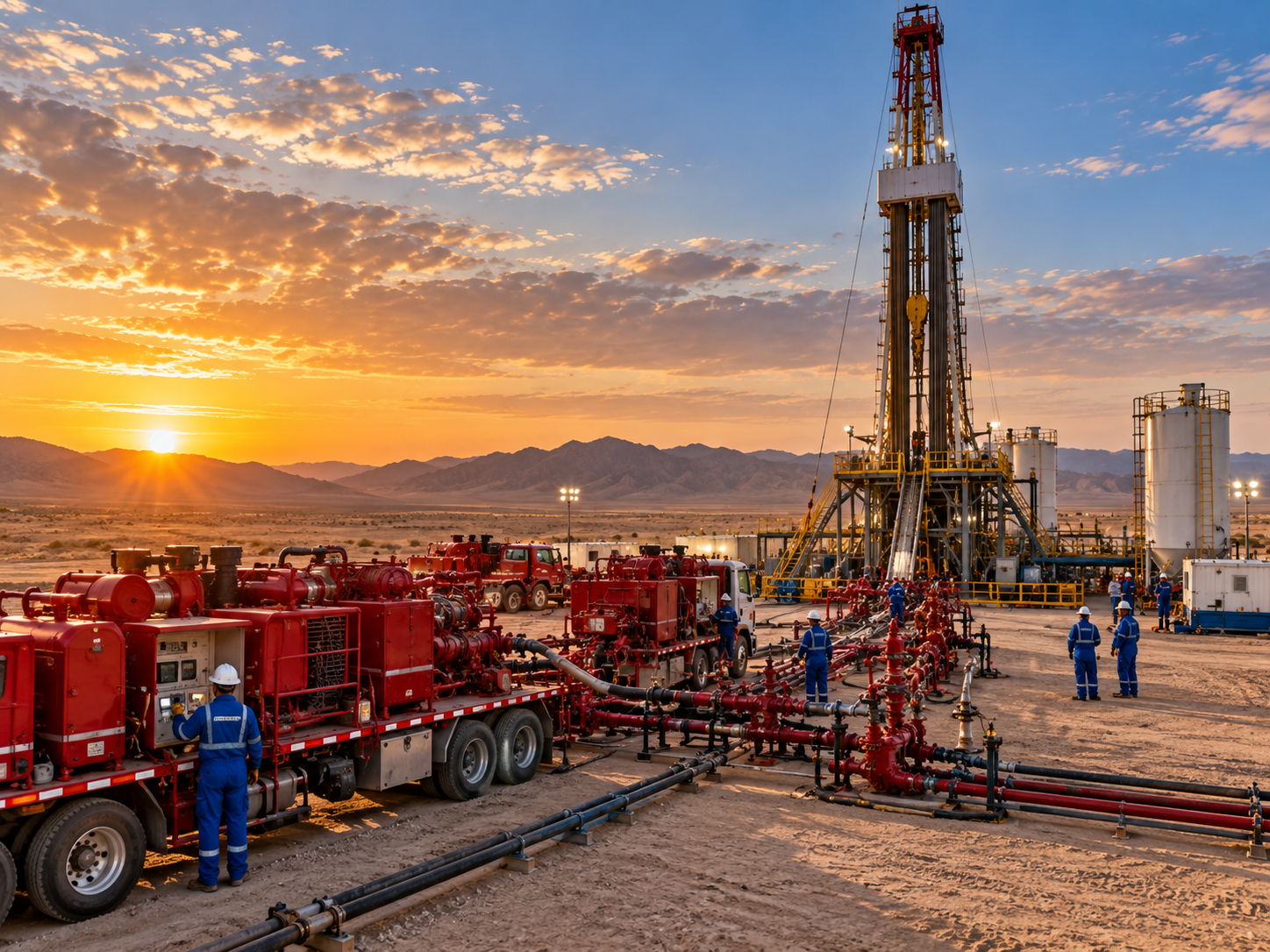
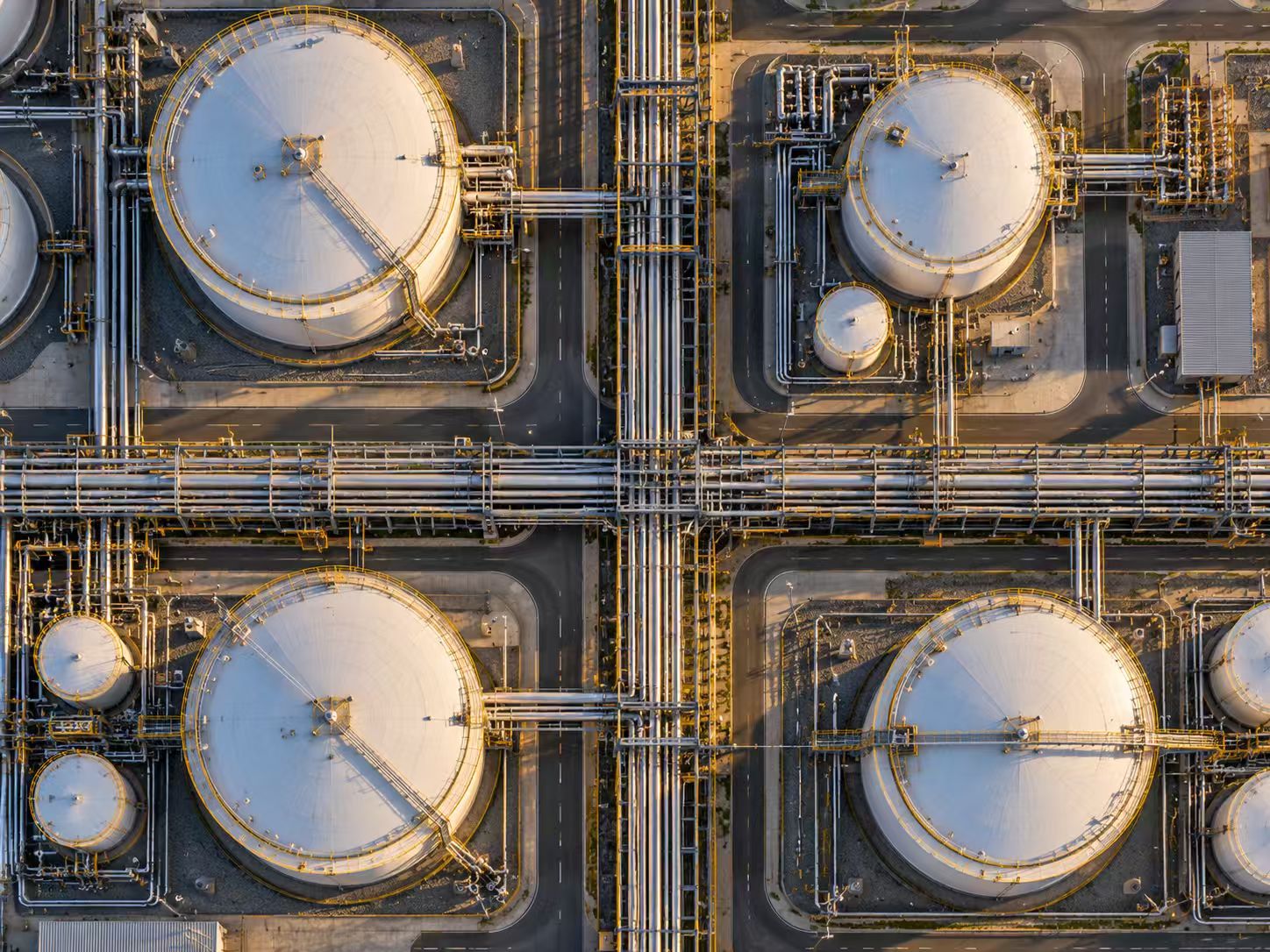
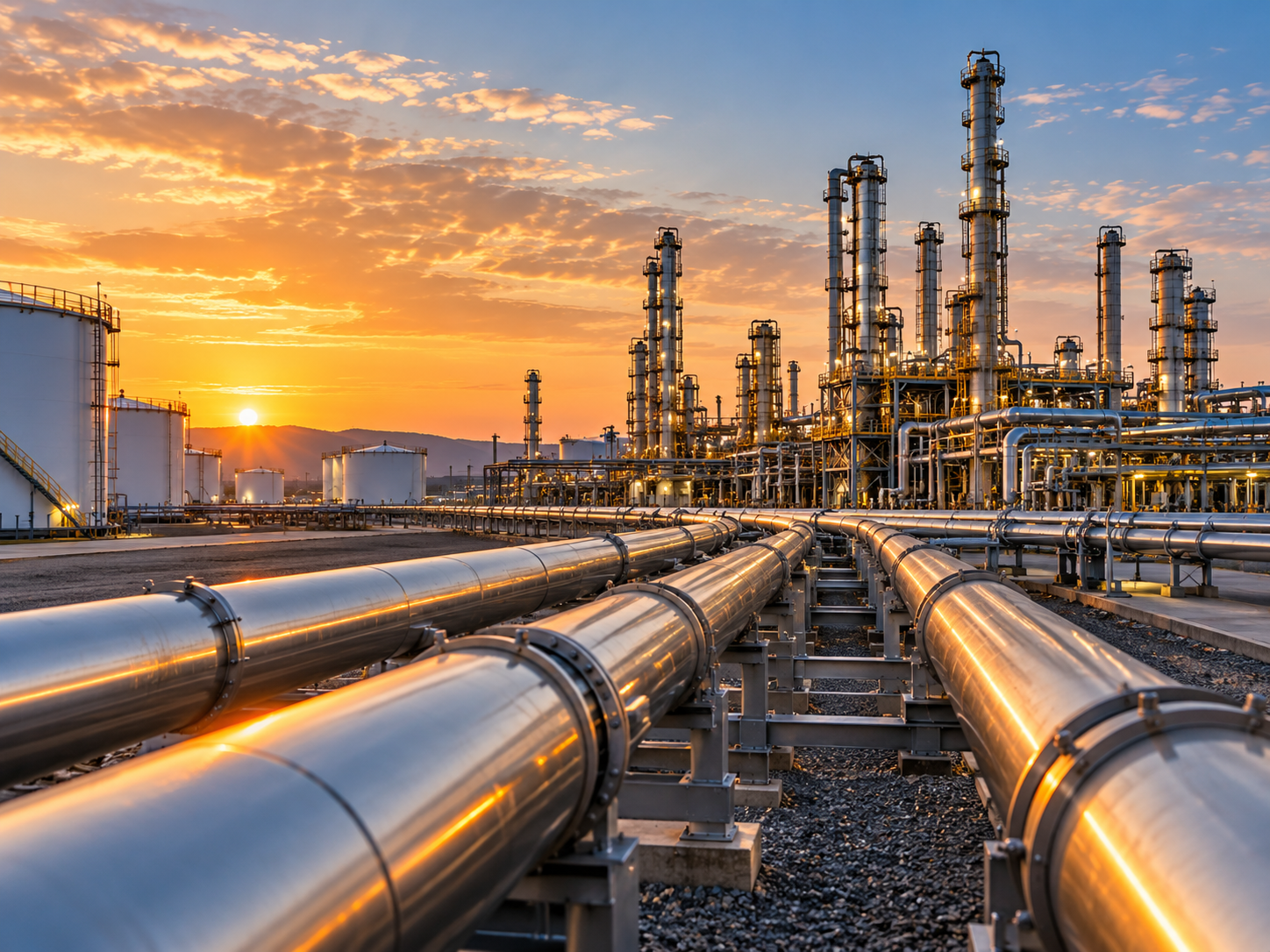
In today’s dynamic global energy landscape, pipeline operators and midstream companies face unprecedented pressure to balance capacity expansion with rigorous capital discipline. As hydrocarbon transportation corridors expand across complex geographies, traditional mechanical debottlenecking methods—such as installing intermediate pump stations or looping parallel lines—require significant capital investment and extended permitting timelines. Chemical solutions, particularly advanced Drag Reducing Agents (DRAs), have transitioned from contingency tools to core strategic assets in optimizing pipeline economics.
Capital Efficiency and Throughput Optimization
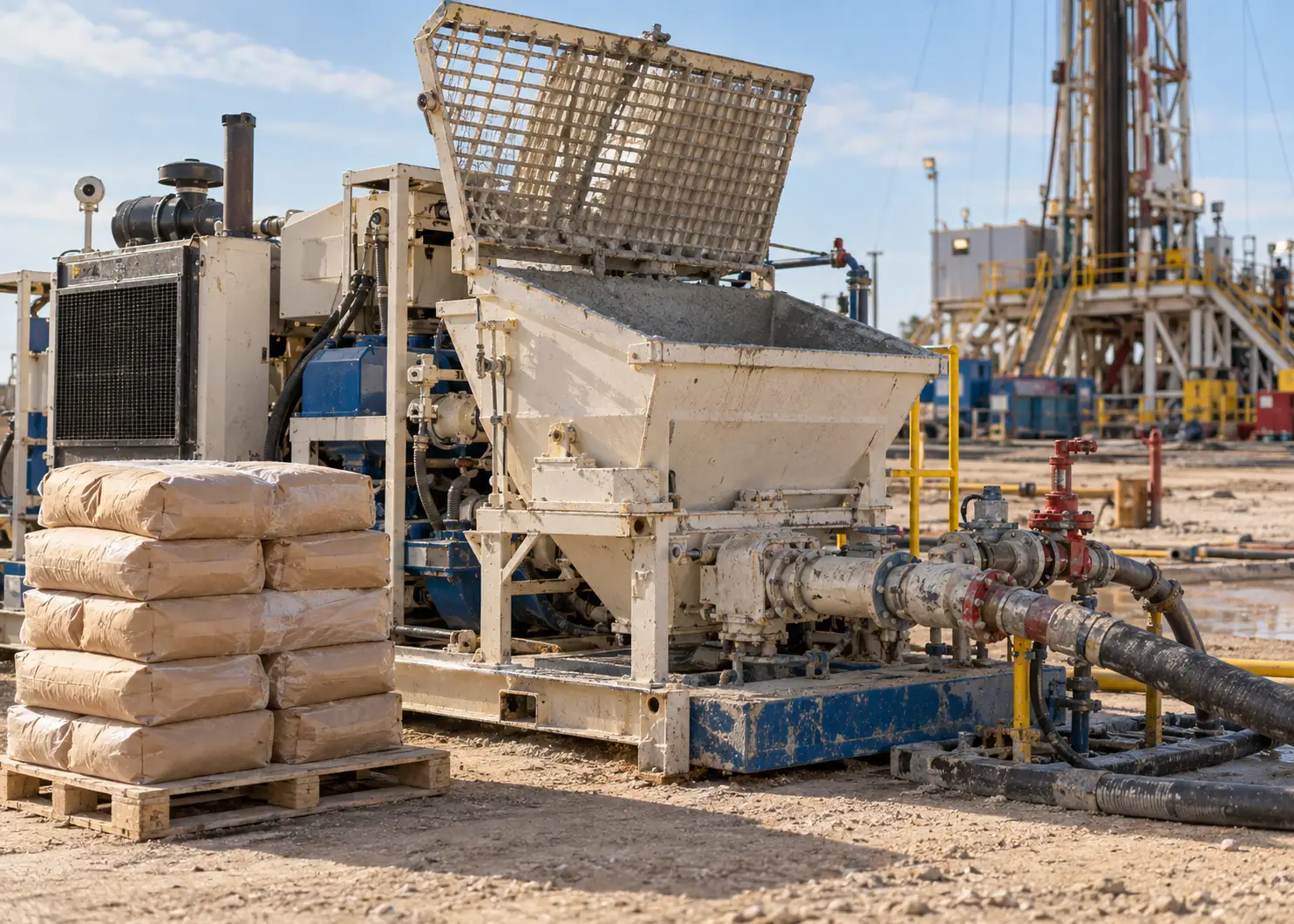
Modern hydrocarbon logistics demand agile, scalable throughput adjustments. High-performance polymer drag reducers mitigate frictional energy dissipation within turbulent fluid flows, achieving effective drag reduction rates exceeding 50% to 70% under diverse operational regimes. By injecting engineered polymers at micro-dosages, midstream operators can unlock immediate capacity surges of 20% to 40% along existing infrastructure. This chemical intervention effectively eliminates mechanical bottlenecks without downtime or heavy asset expenditures.
Sustainability and Operational Decarbonization
Beyond volumetric throughput gains, chemical flow assurance plays an essential role in lowering operational carbon intensity. By reducing fluid friction along the pipe wall, DRAs significantly lower discharge pressures at upstream pumping stations. This operational shift directly decreases the power consumption of electric drives or diesel-driven turbines, driving measurable reductions in Scope 1 and Scope 2 emissions across long-distance transit corridors.
Market Outlook
As regional production hubs adjust to shifting refinery demands, agility will define competitive advantages in midstream transport. Operators leveraging localized manufacturing support, integrated chemical batch testing, and tailored polymer formulations will continue to lead in cost discipline, environmental compliance, and delivery security.